
Shop, Explore, and Discover India’s Local Markets
Explore hidden markets in India
like Jew Town in Kochi, Hathi Pol in Udaipur, and Shilparamam in Hyderabad. Uncover antiques, crafts, and cultural treasures.These spots are not just places to shop; they are experiences that let you take home a piece of India’s soul.
The following five Hidden markets in India has to be on your itinerary:
1. Jew Town Market, Kochi (Kerala)
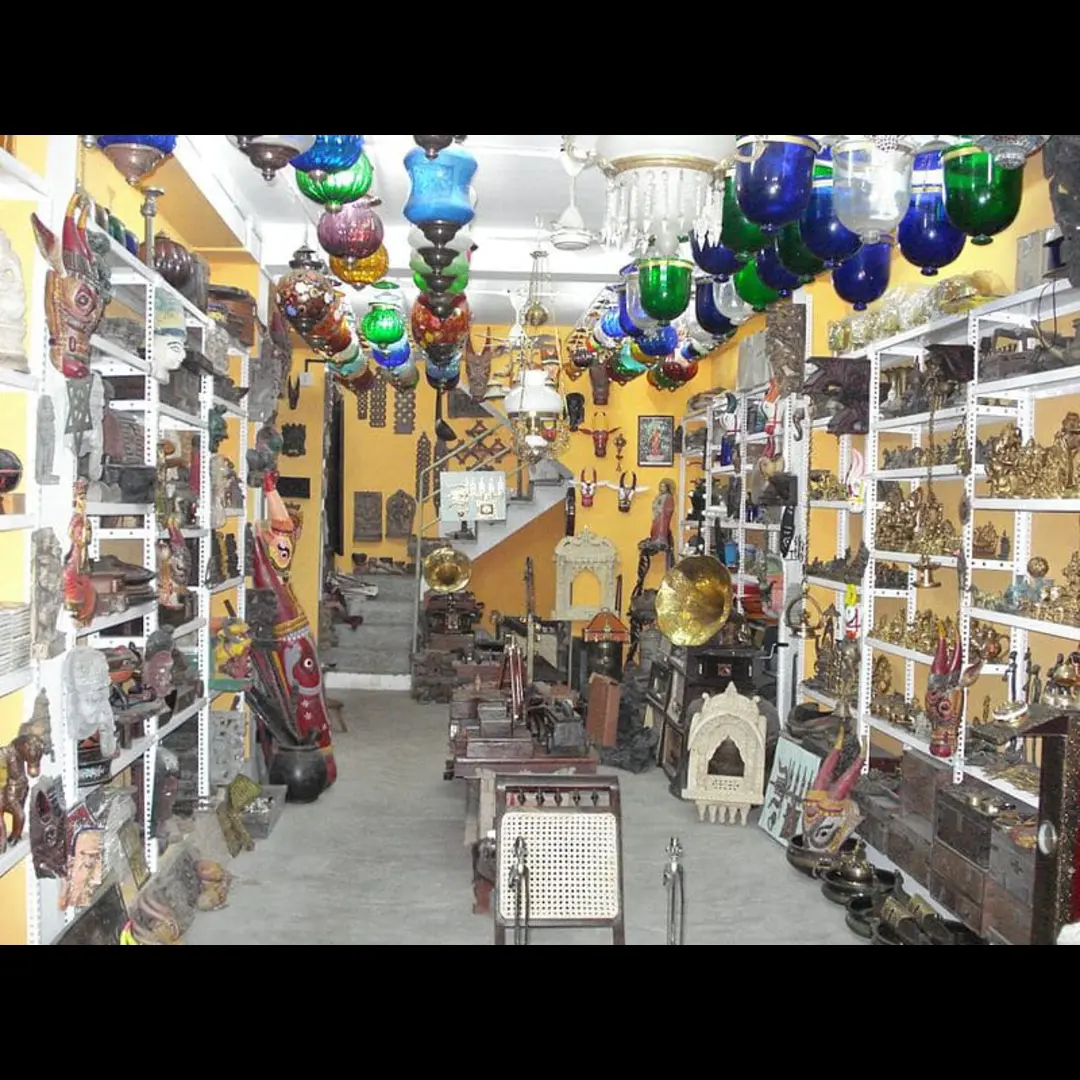
Enter Jew Town, a nostalgic hidden markets places in India close to Kochi’s well-known Paradesi Synagogue. With its collection of antique lamps, furniture from the colonial era, hand-painted tiles, antique coins, and unusual finds, this hidden markets in India is a haven for antique enthusiasts. The blend of cultures Jewish, Portuguese, and Indian influences are interwoven throughout is what gives it its allure. Just strolling around here is like going back in time, even if you don’t purchase anything.
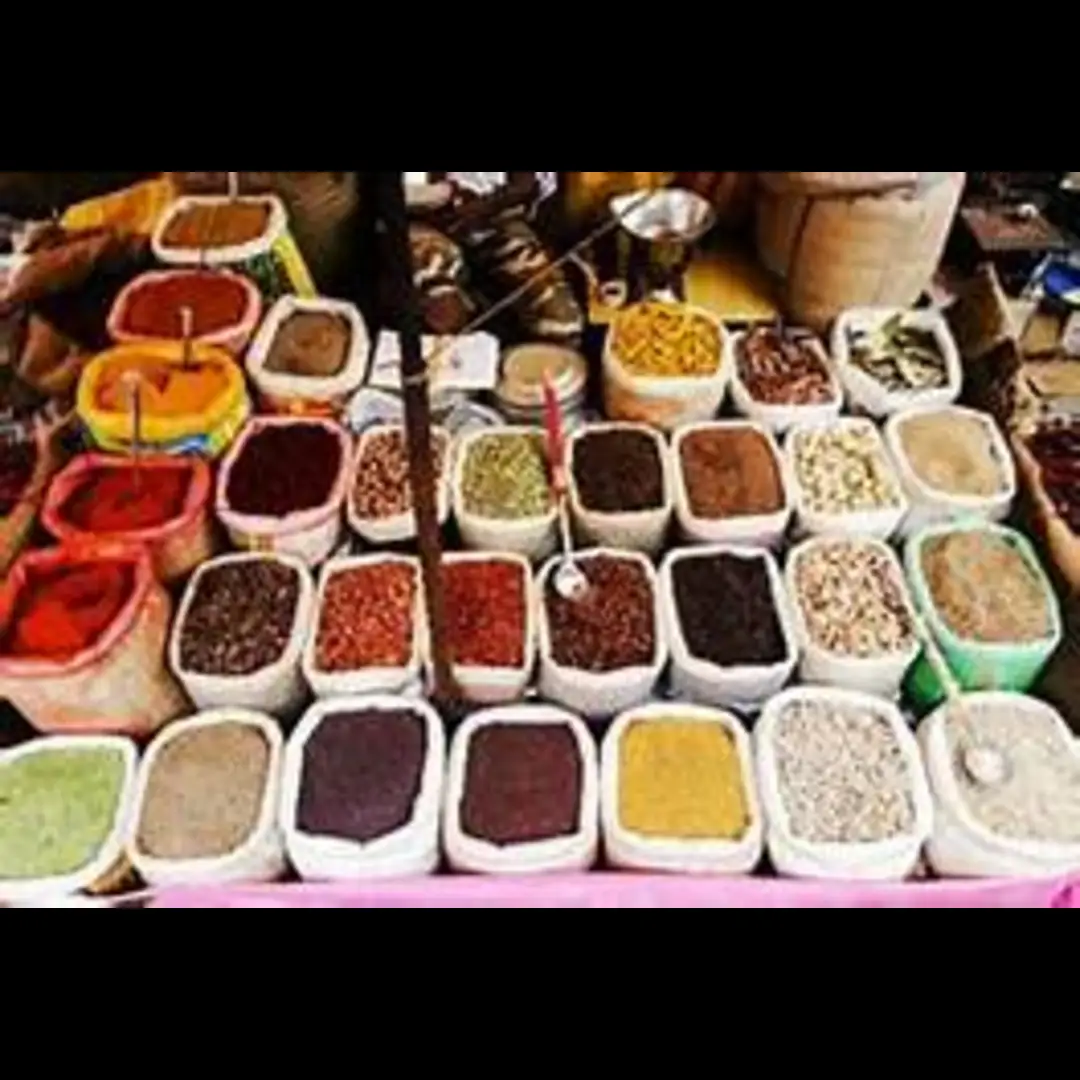
- Things to look for include spice stores, vintage wooden furniture, and interesting collectibles (unique presents).
- Late afternoon, when the streets are bathed in golden light, is the ideal time to visit.
- when the charming stores and rustic structures are magically illuminated by the golden sunlight, producing a scene that is genuinely timeless.
- The journey becomes more than just shopping because the amiable store owners frequently share interesting anecdotes about each artifact, allowing visitors to connect with Kochi’s diverse past.
2. Hathi Pol Bazaar, Udaipur (Rajasthan)
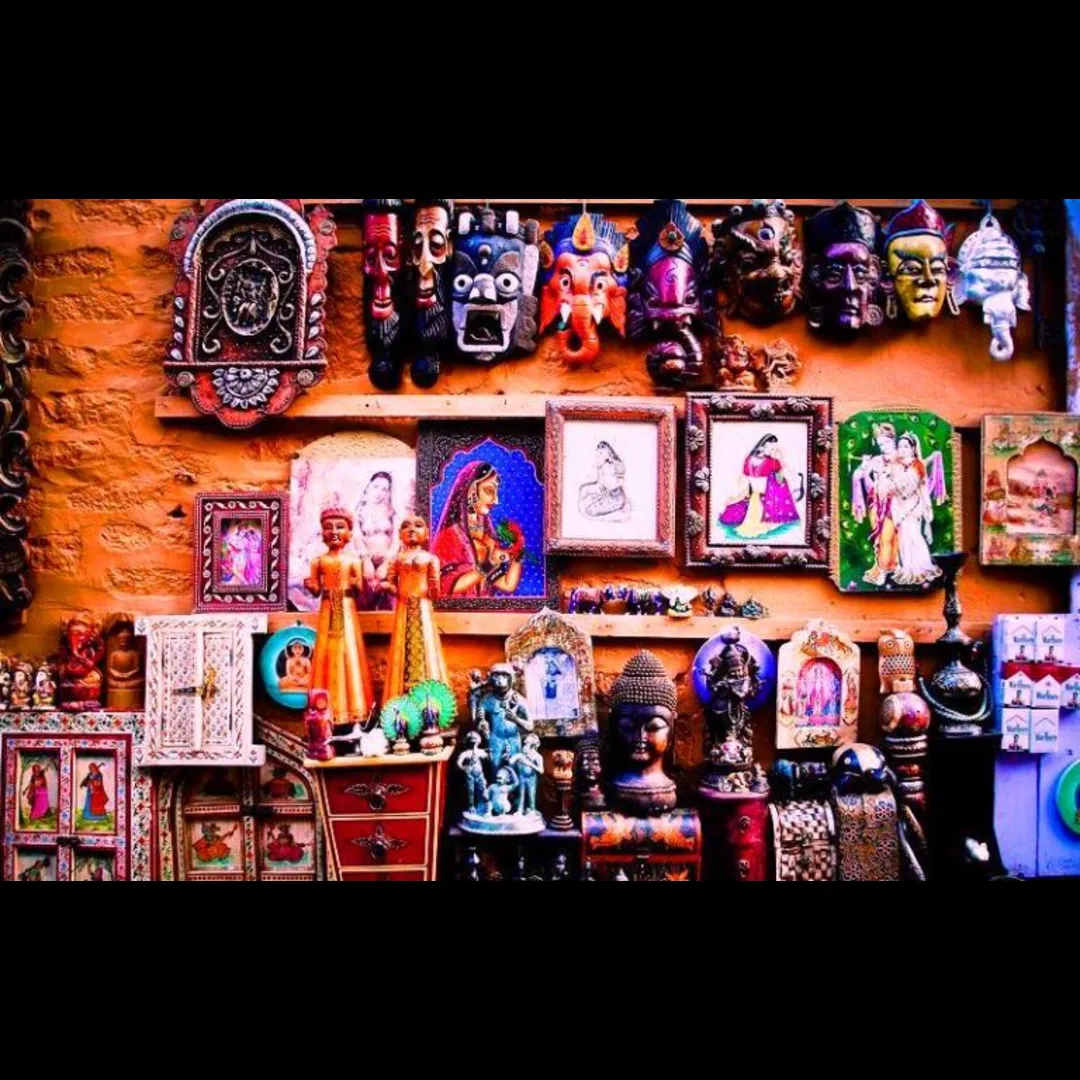
The city’s royal artistry is on display at Hathi Pol, which is centrally located in Udaipur. This hidden markets in India market, which resembles an open gallery, is well-known for its colorful handicrafts, miniature paintings, and Rajasthani folk art. Additionally, you can purchase vibrant Pichwai artwork and genuine Phad paintings there.
- Look for traditional turbans, Rajasthani juttis, and miniature paintings.
- The best time to go is in the early evening, when there are lots of voices in the market transferring bits and pieces of tradition and history.
- You’re following in the footsteps of traders and tourists who once traversed these same lanes as you stop to admire a hand-painted tile or an antique lamp. Jew Town is a living museum of Kochi’s rich and varied history, with a story to be found around every corner.
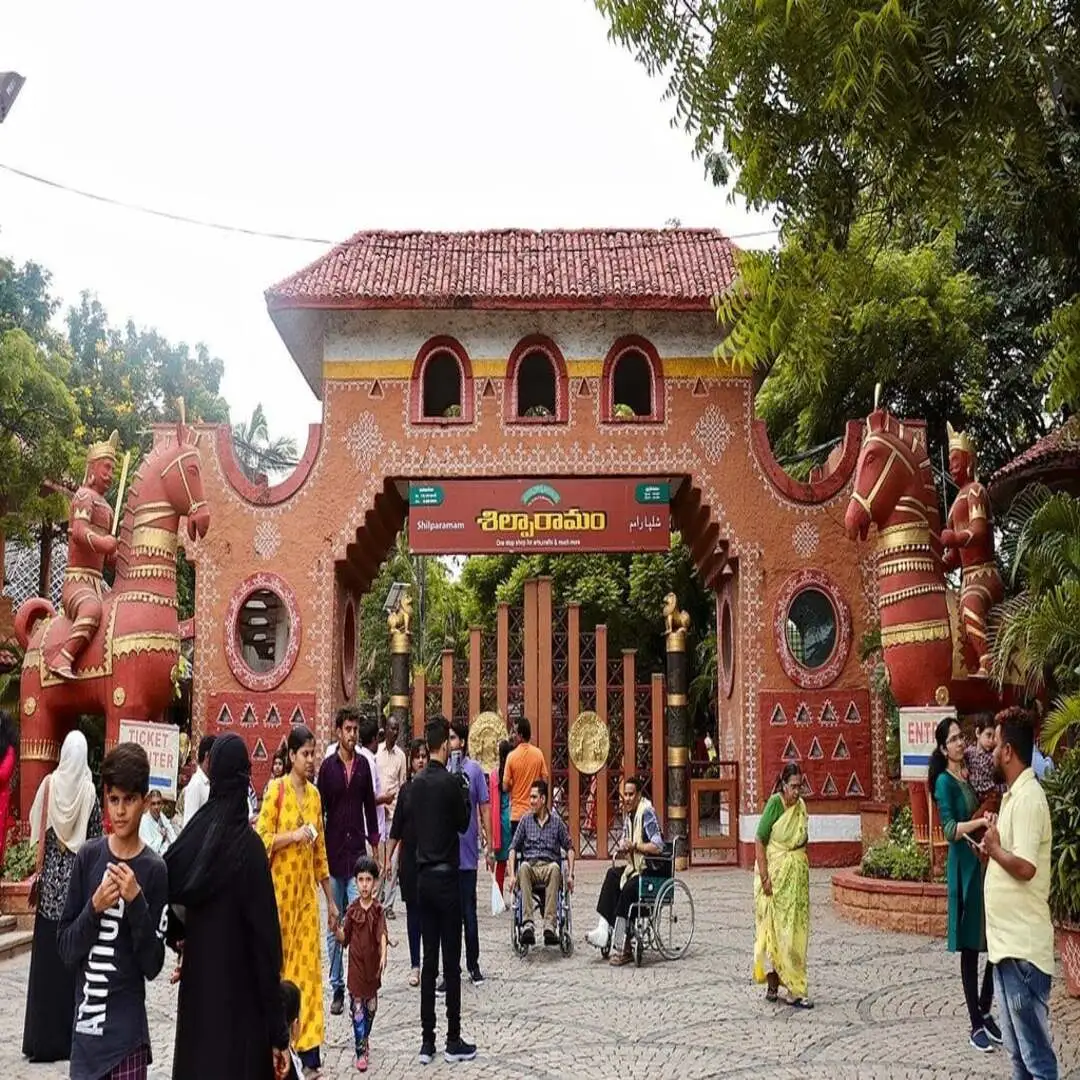
3. Shilparamam Night Market, Hyderabad (Telangana)
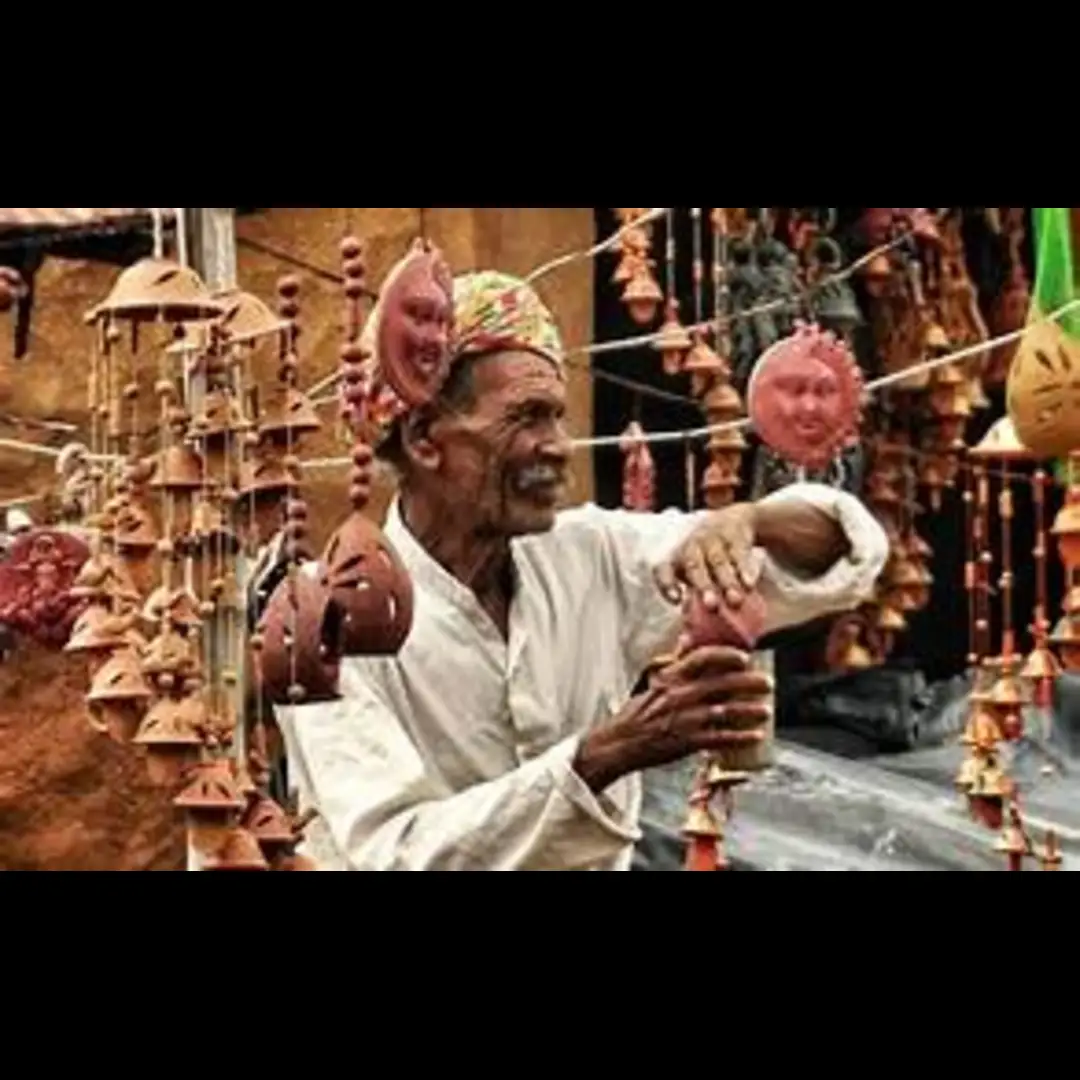
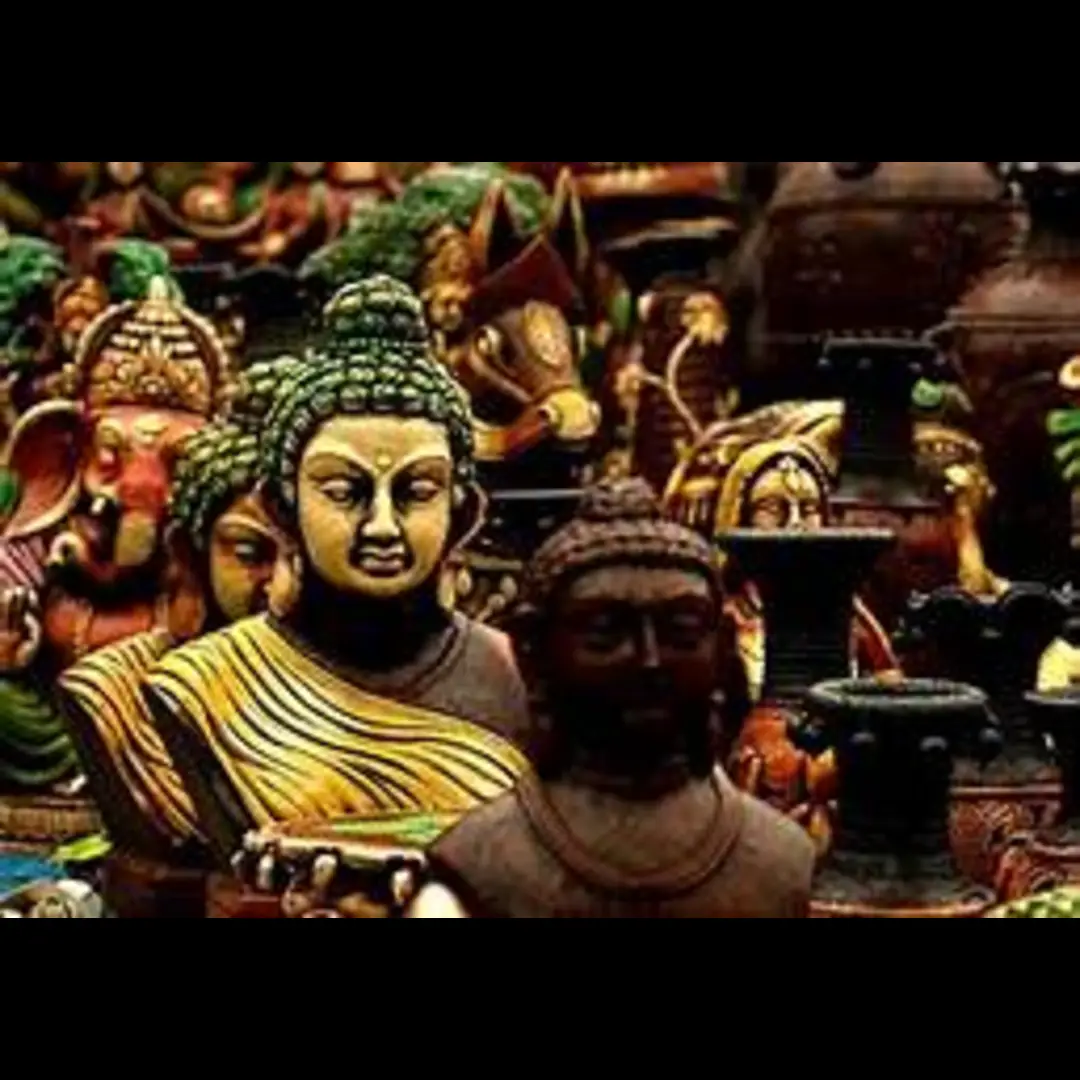
- This bazaar is an artisans’ village that comes to life at night, so it’s not your average marketplace. With hundreds of booths featuring handlooms, terracotta pieces, tribal jewelry, wooden toys, and handwoven saris, Shilparamam honors India’s rich craft heritage.
- Every walk is a sensory experience because of the vibrant and creative atmosphere.
- It is distinctive not only for the shopping but also for the cultural immersion; folk dance, musical performances, and regional food vendors serving regional cuisine all contribute to the vibrant atmosphere.
- Things to look out for include handcrafted décor, tribal ornaments, and exquisite Kalamkari textiles. Evenings are the best time to visit, especially during festivals, when the village glows with lights, music, and tradition, offering a magical blend of art, culture, and heritage.
4. Chor Bazaar, Mumbai (Maharashtra)
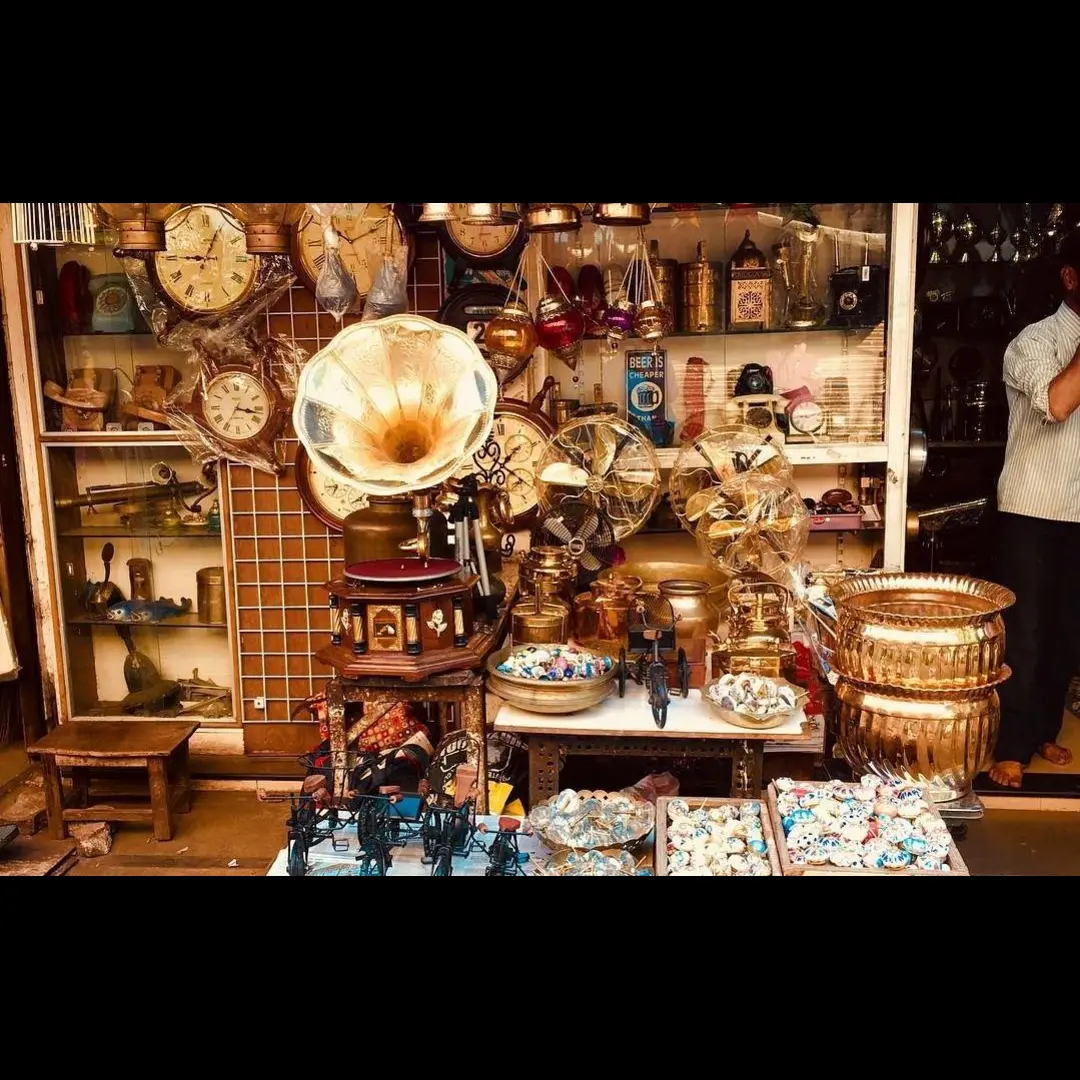
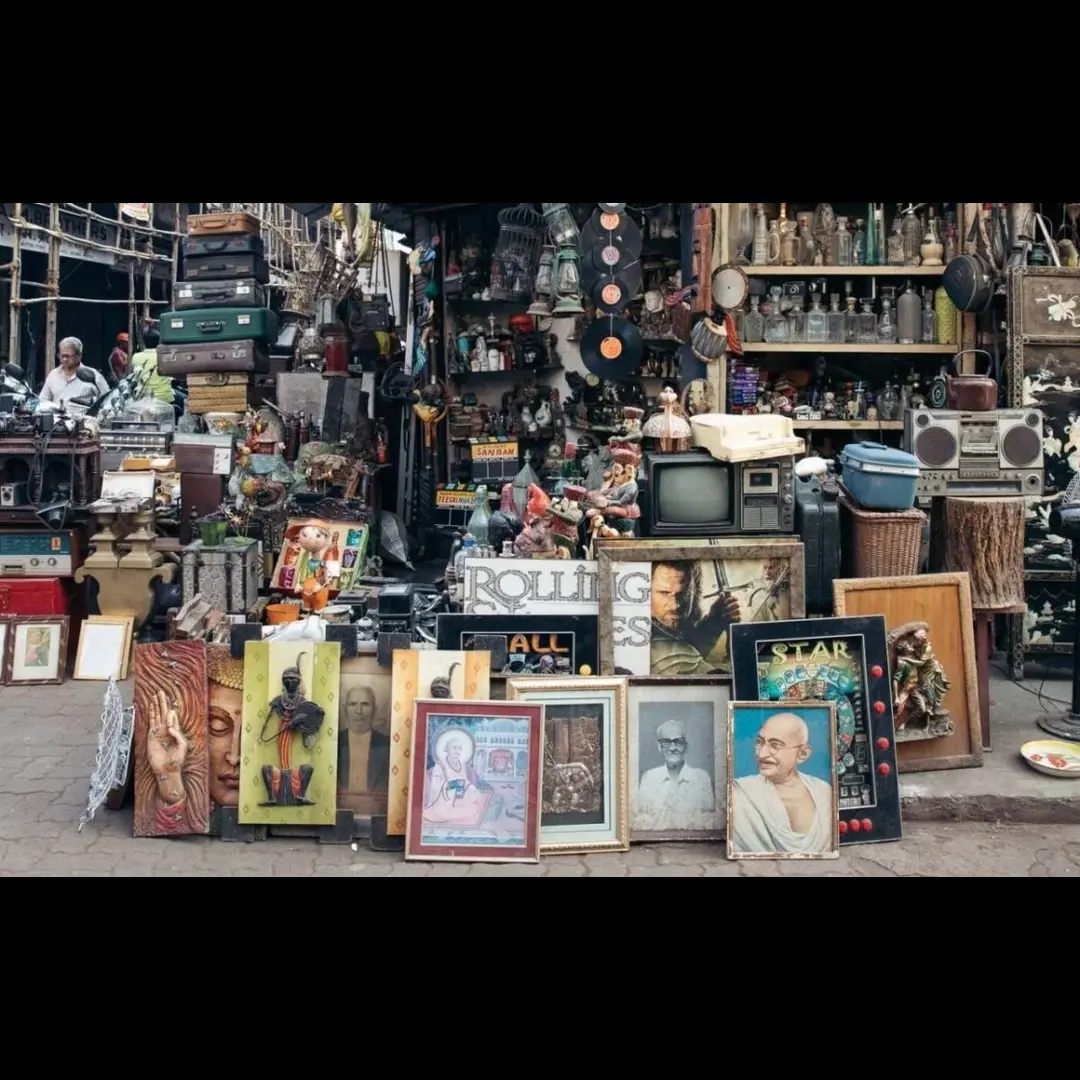
One of Mumbai’s most fascinating Hidden markets in India, Chor Bazaar, also referred to as the “Thieves’ Market”, is ideal for individuals who love the excitement of treasure hunting.
- Offering everything from vintage Bollywood posters and gramophones to quirky decor, antique clocks, and auto spare parts, this maze of tiny lanes combines chaos and charm.
- It’s a collector’s and bargain hunter’s paradise, with surprises around every corner.
- Look for vintage coins, vintage cameras, rare movie posters, and oddball trinkets.
- The best time to go is in the morning, when you can take your time finding hidden treasures that each carry a piece of Mumbai’s colorful past and shopkeepers are more willing to haggle.
5. Lakkar Bazaar, Shimla (Himachal Pradesh)
For an entirely different atmosphere, where charm and tradition collide in the clean mountain air, head north to Shimla’s Lakkar Bazaar.
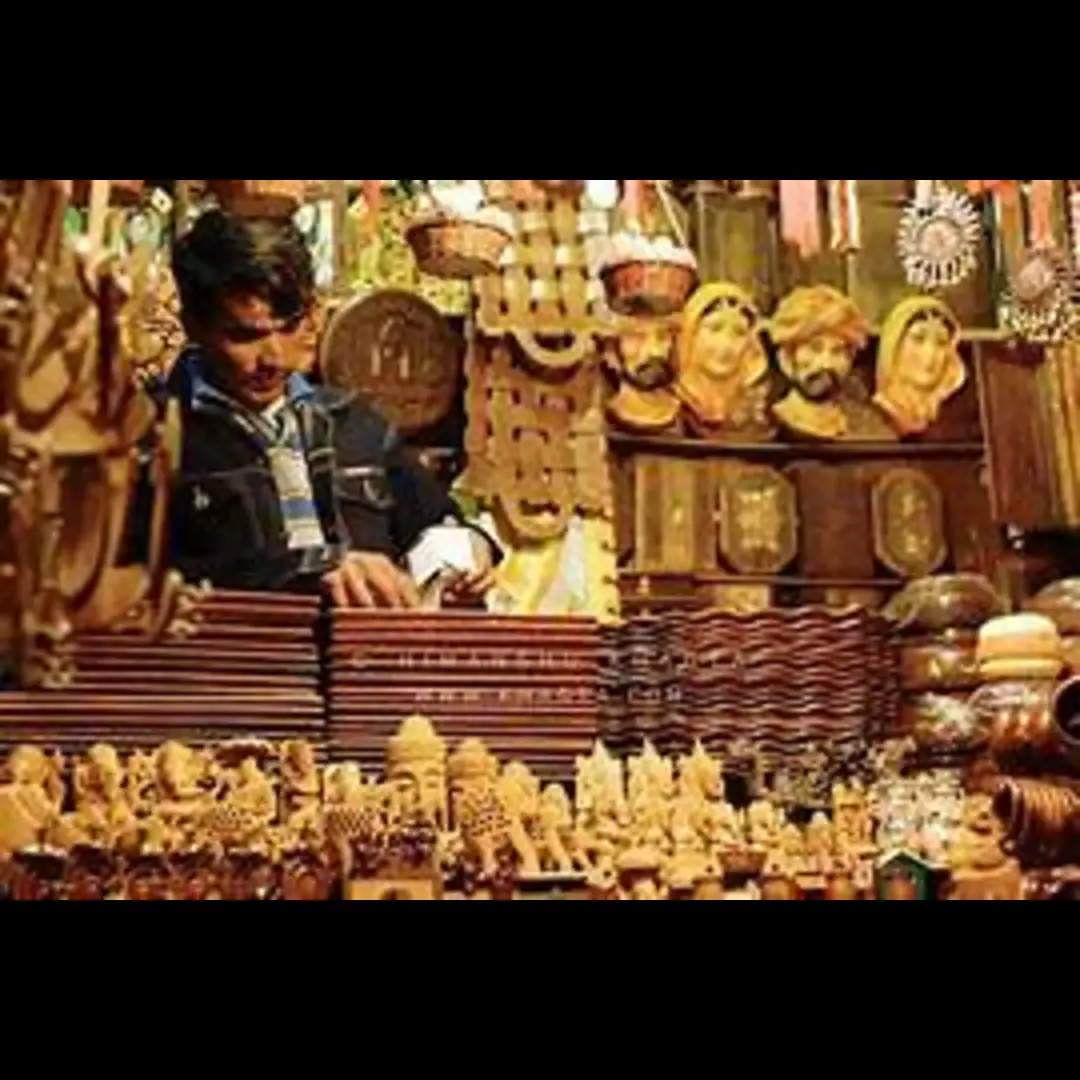
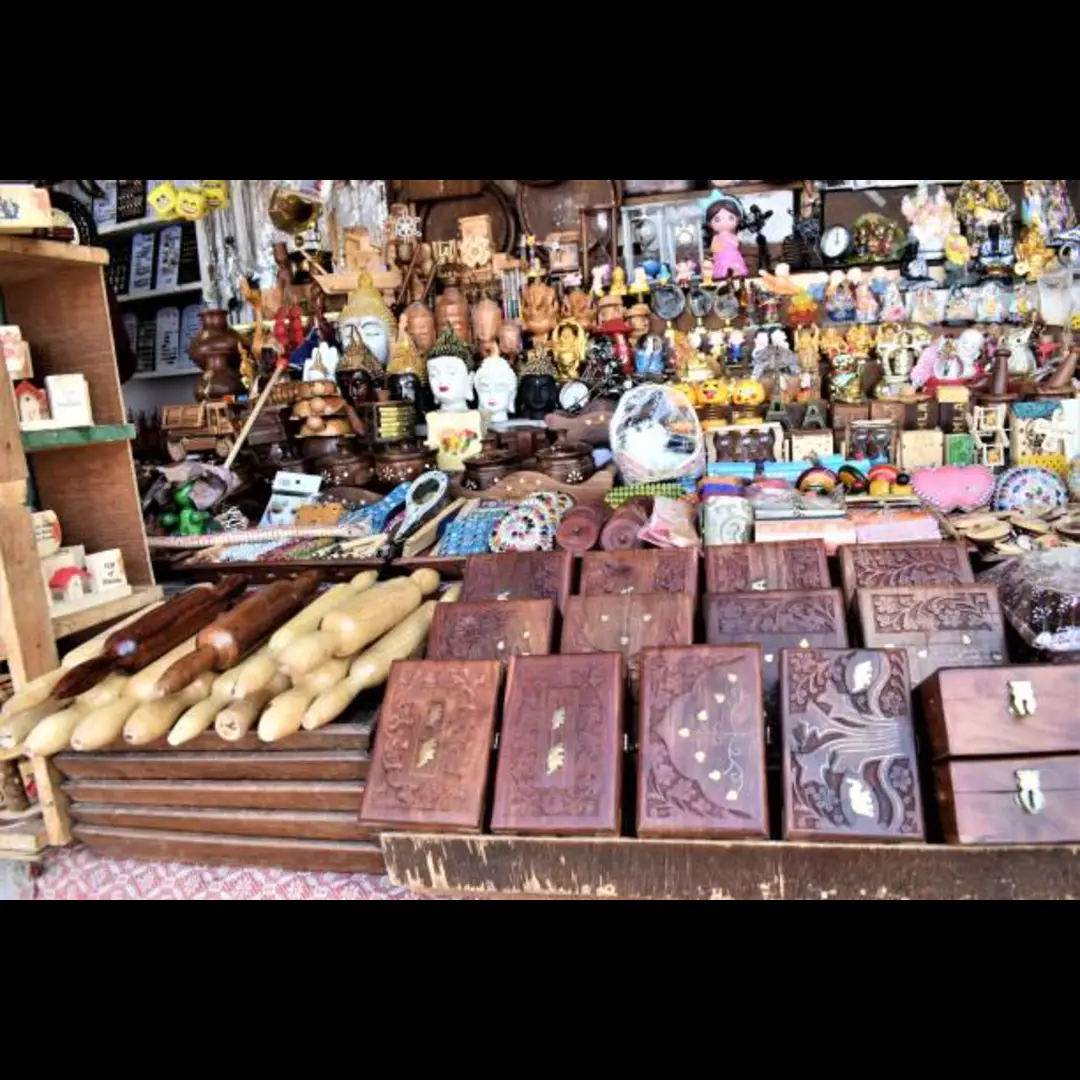
- This Hidden markets in India, well-known for its beautiful wooden handicrafts, is a warm haven for anyone wishing to bring one-of-a-kind finds home.
- From beautifully carved deodar wood décor pieces and hand-carved toys to sturdy walking sticks, every item reflects the skill of local artisans.
- The aroma of hot gulab jamuns, steaming momos, and chai from busy street vendors enhances the experience and goes well with the cool weather.
- Look out for carved souvenirs, walking sticks, and toys. The evening is the ideal time to go because it is when the bazaar comes to life with lights, laughter, and a lively vibe.
Wander Wrap-Up
Shopping in India is an experience that connects you to the heart and soul of the nation; it’s much more than just a transaction. Every busy street, secret passageway, and artisan’s booth has a tale to tell that is rich in customs and history. The India’s must visit street markets are a place where cultures collide, where traditional charm coexists with contemporary inventiveness, and where tourists can observe the generations-old craftsmanship.
These bazaars are full of personality, in contrast to the gleaming malls. Here, the scents of freshly ground spices blend with the vivid colors of textiles, the glimmer of jewelry that has been handcrafted, and the rustic beauty of antiques that tell stories of times past.
Every market, from Mumbai’s Chor Bazaar to Kochi’s Jew Town, Shimla’s Lakkar Bazaar, and Shilparamam’s artisan village, has something unique to offer, whether it’s classic textiles, rare collectibles, or wooden handicrafts.
Additionally, by connecting with local shopkeepers and artisans, who frequently share fascinating backstories of their creations, these Hidden markets in India offer an opportunity to personalize every purchase. Take a break from your typical shopping routine and explore these cultural treasure troves. They celebrate India’s living heritage in addition to selling goods.
Leave a Reply